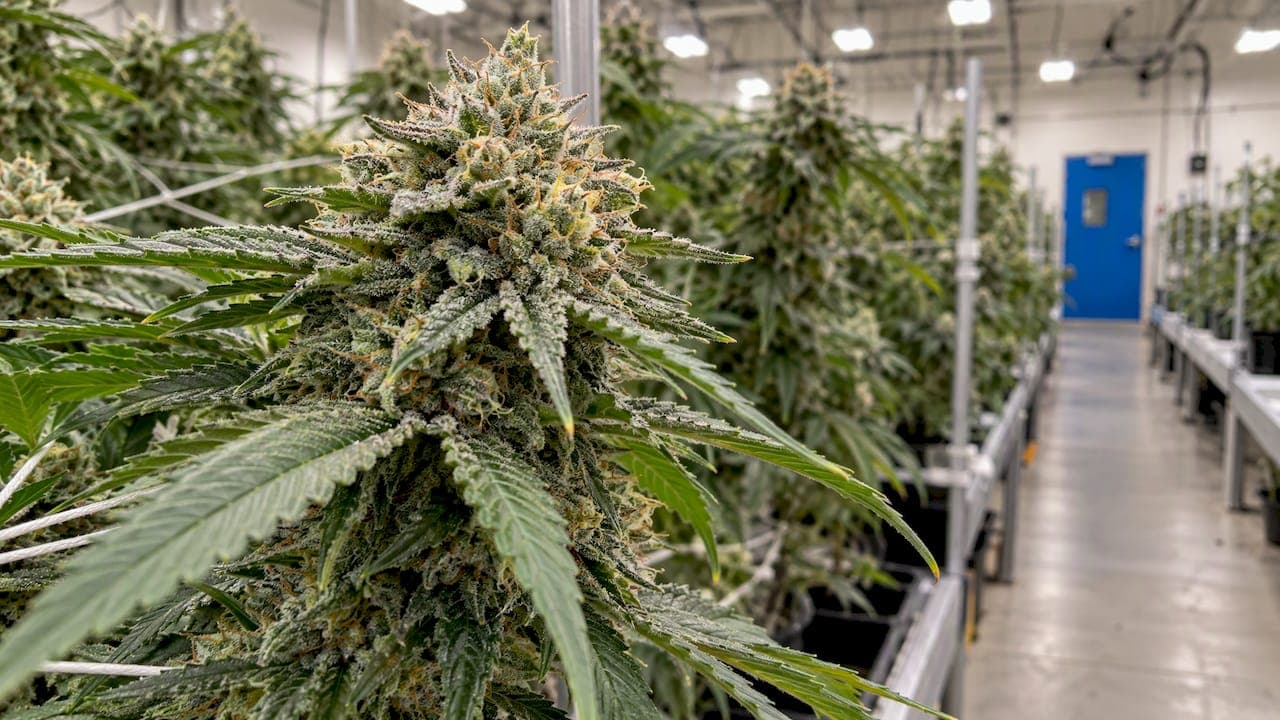
Linalool is the terpene behind the lavender-like, floral note in some cannabis flower, and it is best known for a calming, relaxing reputation. That reputation rests mostly on lab and animal studies, not on human trials of cannabis. Below we cover what linalool is, which effects people report, what the research supports, why strain names are a poor guide, and how to check a batch yourself.
TL;DR
- Linalool is a floral, lavender-like monoterpene. It also occurs in lavender, basil and coriander, and it shapes how a flower smells and tastes.
- Consumers commonly describe linalool-rich flower as relaxing and mellow. Studies point to sedative, anxiolytic and pain-relieving potential, but mostly in preclinical models.
- Human clinical evidence is thin. Anyone promising that linalool treats anxiety, pain or insomnia is going beyond the science.
- Terpene levels vary a lot between batches, even under the same strain name. The only reliable way to know is the batch's lab report (COA).
Table of Contents
- What is linalool?
- Linalool effects people report
- What the research says
- Do higher terpene levels mean a better high?
- Strains high in linalool
- How to check linalool in a flower
- Keeping linalool intact
- Our perspective: terpenes are a quality story, not a magic one
- Shop flower with a lab report behind it
- Linalool and its terpene neighbors
- Who linalool-forward flower suits
- FAQ
- Sources
What is linalool?
Linalool is a monoterpene, a small, volatile aromatic molecule made in the resin glands of the cannabis plant. According to one lab's overview, it is a floral, woody-smelling compound that is usually a minor part of the flower by weight but a major contributor to aroma. It is also found in lavender, citrus plants, basil and coriander, which is why people often compare it to a lavender field or a bar of floral soap.
The aroma is the first thing you notice. A flower heavy in linalool tends to smell sweet, floral and slightly spicy or woody, sometimes with a clean, soapy edge. On the palate it reads as soft and perfumed rather than sharp or gassy. Because monoterpenes evaporate easily, that scent fades fast with heat, air and time, which is why storage matters (more on that below).
If you want the bigger picture of how terpenes fit together, our guide to reading a terpene profile walks through the most common ones and how they combine.
Linalool effects people report
Spend time in cannabis forums, dispensary notes and consumer reviews and the same words keep coming up for linalool-forward flower: relaxed, mellow, calm, unhurried, sometimes sleepy at the end of the day. Many people also describe a gentle, floral "softening" of the high instead of a racy, heady one.
That is experience, not proof. Three things make it hard to pin the effect on linalool alone:
- Cannabinoids dominate. THC content, dose and your own tolerance usually drive the experience far more than a terpene that makes up a fraction of a percent of the flower.
- Terpenes arrive in blends. Linalool rarely shows up alone. Myrcene, caryophyllene, limonene and others are all present, and each one changes the picture.
- Expectation is powerful. A lavender smell and a "calming" label primes people to feel calm.
A useful way to think about it: linalool is a reasonable clue about the character of a flower, not a guarantee of how you will feel.
What the research says
The most cited overview is a 2021 review of pinene and linalool from Australian researchers. It found that studies, primarily in cell cultures and rodents, suggest linalool may have sedative, anxiolytic (anti-anxiety), pain-relieving, anticonvulsant and anti-inflammatory properties. It names inflammatory and neuropathic pain, anxiety and depression as areas worth investigating, and it is clear that well-designed human clinical trials are lacking.
Two details from that body of work are worth knowing:
- Dose and ratio matter. The same review notes that the therapeutic effect of linalool can be sensitive to the dose and to the ratio of linalool to other compounds, including THC and CBD. More is not automatically better.
- Results can differ by sex and delivery. A U.S. mouse study found sex differences in linalool's anxiolytic properties that depended on how the animals were exposed. It also pointed to possible synergy between linalool and CBD, again with sensitivity to dose and administration method.
What that adds up to: there is a credible scientific reason to be curious about linalool, and no firm human evidence that the linalool in your flower will do any particular thing for you.
The entourage effect question
You will often hear that terpenes boost cannabinoids through an "entourage effect." A 2024 review of cannabis medicinal products concludes that whether terpenes enhance cannabinoid efficacy synergistically or additively remains unproven and needs clinical trials. It is a hypothesis worth testing, not a settled fact.
What about the claims on other sites?
Pages ranking for this topic list linalool as an antioxidant, pain reliever, sleep aid, antimicrobial and more. Some of those properties have been seen in lab dishes or animals. None is established as a result you can expect from smoking or vaping a flower. If you have anxiety, chronic pain, insomnia or ADHD, talk with a physician before using cannabis for it, especially if you take other medications.
Do higher terpene levels mean a better high?
Not necessarily. Research on predicting cannabis effects notes that terpene composition clearly shapes fragrance and flavor, and that is the part we can say with confidence. Whether a bigger terpene number means a stronger or better experience is far less certain.
What a high terpene total reliably tells you is that the flower was grown, dried and cured well enough to hold onto its aromatics. That is a quality signal. It is not a potency signal. Our piece on THC versus terpenes explains how to weigh the two numbers against each other.
Strains high in linalool
This is the part most readers came for, and the honest answer is more careful than a top-ten list.
Research has identified linalool as a major component in some cultivars, with Purple Kush a commonly cited example. In a study of terpene synthases, Purple Kush flowers contained linalool at roughly 503 µg/g dry weight at maturity. Names you will see repeated for floral, lavender-leaning cannabis include Lavender, Amnesia Haze and Do-Si-Dos, but a strain name is a label, not a measurement.
The same terpene study found large variation in terpene profiles within and between plants sold as the same cultivar, and it points to a lack of proper chemical characterization and sometimes incorrect cultivar labeling across the industry. In practice, two jars with identical names can differ a lot.
What real lab reports show
Public certificates of analysis make the spread concrete:
| Product (year) | Linalool reported |
|---|---|
| Green Crack flower (2021) | 0.447% (4.47 mg/g) |
| Lava Cake flower (2025) | 0.268% |
| Orange Mintz live rosin (2024) | 0.756% (7,560 µg/g) |
Three different products, three different numbers, and none of them is a famously "linalool" strain. Concentrates like rosin tend to read higher than flower, so compare like with like. The takeaway: a strain's reputation does not tell you its linalool level. The batch does.
Linalool dominant versus linalool present
People search for "linalool dominant strains," but linalool is only rarely the top terpene in cannabis. More often it sits in second, third or fourth place behind myrcene, caryophyllene, limonene or terpinolene. For that reason, a flower with 0.3% linalool can still smell distinctly floral if the rest of the profile is quiet. Read the whole terpene panel, not a single line.
How to check linalool in a flower
You do not need to trust a strain page, a review or us. Check the paperwork.
- Find the batch COA. It should match the batch number on your package, come from a third-party lab and be dated.
- Go to the terpene panel. Look for linalool in the list, usually in percent or mg/g. A Green Crack COA, for example, reports the batch's tested terpene and cannabinoid composition including linalool.
- Rank the terpenes. See where linalool sits relative to the others. The top three usually define the character.
- Check the total. Strong flower often lands well above 1% total terpenes, but treat that as a quality hint, not a promise.
- Look at the date and the cannabinoids. An old COA on a long-stored jar tells you less than a fresh one.
If the panel is new to you, our walkthrough on how to read a terpene test report goes line by line, and what cannabinoid and terpene panels tell you covers the rest of the page. For hemp buyers, the hemp flower terpene guide explains aroma and quality cues.
Keeping linalool intact
Linalool is volatile, so how a flower is grown, dried, cured and packed affects how much of it survives to your jar. Heat, light and oxygen strip aromatics, and linalool exposed to air can also oxidize over time, which is one reason a stale, over-dried flower loses its floral note. Store flower in an airtight container, away from heat and sunlight, and use it within a reasonable window rather than letting it sit.
If you cook or vape at high temperatures, you will also burn off some of the delicate aroma. Many people who like floral profiles prefer lower-temperature vaporizing for that reason, though that is a matter of taste, not a medical claim.
Our perspective: terpenes are a quality story, not a magic one
We grow in living soil without plant growth regulators (PGRs), and we do it for one reason in particular: we want each strain to express its own authentic terpene profile. Terpenes like linalool are fragile, and the way a plant is grown and handled shows up in the aroma and flavor.

That is also why we are cautious with effect claims. Linalool is interesting, the preclinical research is encouraging, and consumers do describe calm, floral flower in appealing ways. But we will not tell you a jar will cure anxiety or fix sleep, because the human evidence is not there. What we can promise is transparency. We control the process from seed to sale, every batch is lab-verified, and the terpene profile and COA are there for you to read before you decide.
Our advice: pick flower by the full terpene panel, the batch date and how it smells when you open the jar. Trust your nose and the lab report over a strain's folklore.
— Cali Farms
Shop flower with a lab report behind it
If you want to see how a transparent terpene profile looks in practice, browse the Cali Farms Flower Collection. Our indoor flower is grown in living soil without PGRs, lab-verified batch by batch, and packed in engineered packaging designed to preserve freshness. Retailers and distributors can also ask about wholesale.

If you like to start with a specific profile, individual strain pages such as Wedding Cake, Lemon Cherry Gelato and Bolo Runtz list what's in the jar, and you can compare them with the batch COA. Linalool content varies by batch, so check the report for the one you're buying.
Linalool and its terpene neighbors
Linalool is easier to understand next to the terpenes it usually travels with. Caryophyllene is spicy and peppery and is the one terpene known to interact with cannabinoid receptors, which we cover in our look at what the research shows on caryophyllene. Myrcene is earthy and musky, limonene is citrus, and pinene is piney. Linalool is the floral one, and in a good profile it plays a supporting role, adding a soft top note that rounds out the rest.

That layered quality is what makes terpene-rich flower interesting to smell and taste. It is also why picking a flower on a single terpene misses the point. The blend is the product.
Who linalool-forward flower suits
If you enjoy floral, sweet, perfumed aromas, a linalool-forward profile is worth seeking out, and many people reach for that style in the evening. If you prefer sharp, gassy, citrus-forward or piney flower, you may find it too soft.
A few practical notes:
- Start with a small amount, especially with a new batch. Potency and terpene content vary even within one strain.
- Keep a simple log of the batch, the dose and how you felt. After a few entries you'll see which profiles suit you better than any article can say.
- Avoid driving or operating machinery after use, and keep cannabis away from children and pets.
- Cannabis laws differ by state and hemp rules differ from marijuana rules, so know what is legal where you live.
FAQ
What does linalool do in cannabis?
Linalool is a floral, lavender-like terpene that shapes a flower's aroma and flavor. Consumers often describe linalool-rich flower as relaxing. Research in animals and cells suggests sedative, anxiolytic and pain-relieving potential, but human clinical evidence is still lacking.
Which strains are high in linalool?
Purple Kush is one cultivar research has found to contain linalool as a major component, and floral strains such as Lavender are often cited by consumers. Levels vary widely between batches and growers, even under one strain name. Check the terpene panel on the batch COA rather than relying on the name.
Does linalool make you sleepy?
Some people find linalool-forward flower relaxing, and preclinical studies point to sedative properties. But THC dose, other terpenes and your own tolerance matter more. If you have trouble sleeping regularly, see a doctor rather than treating it with a terpene.
How can I find the linalool level in my flower?
Open the certificate of analysis for your batch and look at the terpene section. Linalool is listed as a percentage or in mg/g, alongside the other terpenes. Make sure the batch number matches your package and that the lab is independent.
Sources
- Guide to linalool: cannabis terpene scent, benefits and research
- A Review of the Potential Use of Pinene and Linalool (PMC)
- A Review of the Potential Use of Pinene and Linalool (Frontiers in Psychiatry)
- Sex Differences in the Anxiolytic Properties of Common Terpenes (PubMed)
- The Entourage Effect in Cannabis Medicinal Products (MDPI)
- Terpenes in Cannabis: Solving the Puzzle of How to Predict Effects
- Terpene Synthases and Terpene Variation in Cannabis sativa
- Green Crack flower certificate of analysis, 2021
- Lava Cake flower lab report, 2025
- Orange Mintz live rosin certificate of analysis, 2024