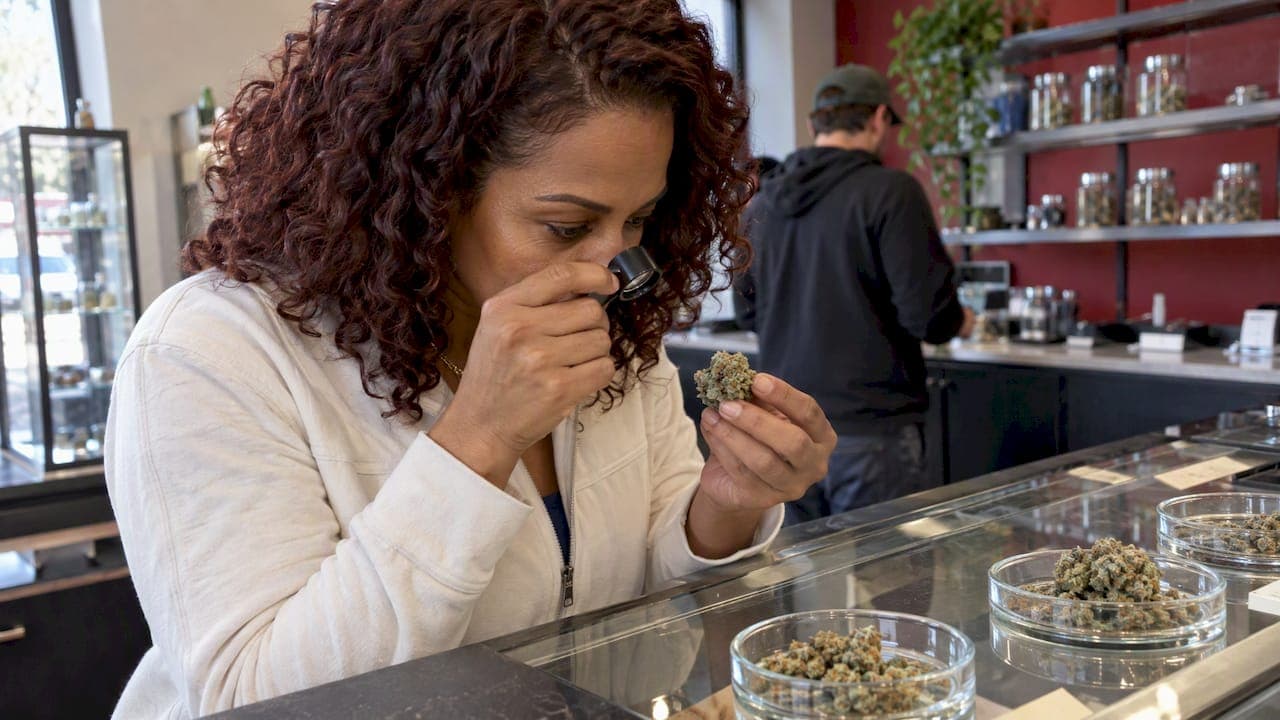
A balanced hybrid is a cannabis cultivar sold as an even blend of indica and sativa traits. The aim is a calm body and a clear head, without the couch-lock of a heavy indica or the racing edge of a bright sativa. The label is a useful starting point. The chemistry on the lab report tells you much more, and that is where this guide spends most of its time.
TL;DR
- A "true" balanced hybrid is described as an even mix of indica and sativa genetics, with effects that sit between the two ends. GreenState explains the term as part of cannabis folk taxonomy, not strict botany.
- Indica, hybrid and sativa labels do not reliably predict chemistry. Cannabinoid and terpene numbers are the better guide.
- Two jars with the same strain name can feel different, so check the batch's certificate of analysis (COA), not just the name.
- Start low, go slow, and keep flower locked away from children and pets.
- Our flower is grown in living soil without plant growth regulators, and every batch ships with a COA.
Table of Contents
- What a balanced hybrid actually is
- What the science says about the labels
- Why the same strain feels different from jar to jar
- How to read a balanced hybrid before you buy
- Common profiles people look for in a balanced hybrid
- Our view: why we grow for balance the slow way
- Where to start with our flower
- Using a balanced hybrid responsibly
- A short checklist for your next jar
- FAQ
- Sources
What a balanced hybrid actually is
Cannabis shops sort flower into three bins: indica, sativa and hybrid. A hybrid is a cross of the two. A balanced hybrid is the one that sits near the middle, often described as 50/50. Reviewers on GreenState describe a "true" hybrid as an even mix of indica and sativa, and say hybrids often give a more balanced combination of the effects people associate with each.
That explains why people search for this category. Most adults buying flower for an evening are not looking for either extreme. They want to cook dinner, watch a game, take a walk or unwind without feeling flattened.
The same source calls hybrid part of cannabis "folk taxonomy." That is an honest way to say the words are shorthand that the market built, and that growers and shoppers use them loosely.
What the science says about the labels
Here is the part most strain lists skip. The indica, sativa and hybrid labels are weaker predictors than they look.
A study of 89,923 commercial cannabis samples from six U.S. states found that commercial indica, hybrid and sativa labels did not consistently line up with chemical diversity. The authors' central point is that cannabinoid and terpene composition says more about what a product may contain than the commercial label does.
A separate Nature Plants study covered by Dalhousie University reached a similar conclusion: indica and sativa labels are largely meaningless as guides to genetic identity and chemical profile, and strain names are often unreliable. The researchers also noted the words have survived as vernacular labels with real associations for effects, aromas and plant shape, and that producers may assign them by aroma rather than by tracking pedigree.
What does that mean for you?
- Treat "balanced hybrid" as a hint about intent, not a guarantee.
- Expect variation between brands, and between harvests from the same brand.
- Use the label to narrow your list, then let the lab data and your own notes decide.
We go deeper on this in Indica vs. Sativa: What the Labels Really Tell You.
Why the same strain feels different from jar to jar
Three things move the experience around.
The plant's chemistry. Cannabinoid ratios vary within and between varieties, and commercial products show a wide range of terpene profiles, according to the phytochemical diversity study.
How it was grown, harvested and stored. GreenState notes that growing, harvesting and storage can change a product's chemical composition. A strain grown well, cured well and sealed well keeps more of what made it special. The same genetics handled badly can arrive flat and harsh.
You. Effects also vary with a person's own chemistry. Your tolerance, your last meal, your sleep and your mood all play in.
There is one more wrinkle. Researchers studying cannabis aroma concluded that terpenes matter but are not the whole explanation: minor non-terpenoid volatile compounds can strongly drive distinctive sweet, savory and citrus aromas. So a nose test still counts, and a terpene percentage is a clue, not a full map.

How to read a balanced hybrid before you buy
If the label is shaky, what do you rely on? Four checks, in order.
1. Find the batch COA
A certificate of analysis is the lab's report on one specific batch. In New Jersey, for example, the state explains that COAs provide data from state-licensed laboratories on safety, quality and potency, including contaminant testing and cannabinoid levels. The same guidance says required testing for legal products typically covers potency, microbial contaminants, heavy metals and pesticides, with flower also checked for moisture content and water activity.
Rules differ by state, and hemp flower follows its own framework, so use your state's regulator as the reference for what is required where you live. Regulators also care about lab independence: Minnesota's Office of Cannabis Management, for instance, requires testing facilities to keep conflict-of-interest policies so results stay trustworthy.
Not sure what you are looking at on the report? Our guides walk through it: How to Read a Hemp Flower COA and Cannabinoids and Terpenes: What Their Test Panels Tell You.
2. Look at the cannabinoid and terpene mix, not just THC
A high THC number does not make a balanced experience. Many people find a mid-range product with a rich terpene profile more enjoyable than a very strong one with little aroma. We unpack that tradeoff in THC vs. Terpenes: Which Number Matters More in Flower.
A few practical notes when you scan a terpene panel:
- Look at the total terpene content and the top three or four terpenes, not only the first one.
- Compare the report against how the jar actually smells. A loud, layered aroma and a healthy terpene total tend to go together.
- If a product lists a higher-CBD ratio, expect a different feel from a THC-only profile. Hybrids with more CBD are one way people soften intensity.
For the basics, see Terpene Profiles Explained: What They Are and How to Read One and our hemp flower terpene guide.
3. Check the look, smell and feel of the flower
The lab number is one half of the story. The other half is on the bench:
- Aroma: distinct and specific, not hay-like or generic.
- Structure: dense, intact buds with trichomes, not crumbled or over-dry.
- Moisture: a gentle spring when squeezed, with no brittle snap and no damp spots.
- Packaging: sealed against air and light, because storage affects chemistry.
4. Keep notes
Write down the strain, batch, dose, time and how you felt two hours later. After three or four sessions you will know which terpene mixes you like, which beats any generic list of "best hybrids."
Common profiles people look for in a balanced hybrid
Because labels are loose, we find it more useful to describe what shoppers want than to rank named strains. Here are the three most common requests and what to look for on the page and on the report.
| What you want | What to look for | What to avoid |
|---|---|---|
| A relaxed but social evening | Layered aroma, moderate potency, a terpene total that is clearly present | Very high THC with a faint smell |
| A creative, easy afternoon | Bright, citrus or fruit-forward nose, small first dose | Heavy, sedating descriptions |
| Winding down without feeling stuck | Sweet, dessert-style or earthy aroma, a body-leaning but clear-headed feel | Anything marketed as knockout |
These are starting points, not promises. Everyone's body reads the same chemistry differently, which is why batch data and your own notes matter more than a name.
Gelato-family cultivars are a popular example of a category people often file under balanced, though classification of them varies from source to source. That is exactly the kind of case where the batch report is the better guide than the family name.
Our view: why we grow for balance the slow way
We grow our flower in living soil and without plant growth regulators (PGRs). We do it because we want each cultivar to smell and taste like itself. When a plant is allowed to finish naturally, the aroma that reaches you is the one the genetics intended, and a balanced hybrid depends on that. If the nose is muted, the balance people are shopping for is usually muted too.

We also control the process from seed to sale. That means we know how each batch was grown, handled and packed, and we can show you the batch's lab verification and terpene profile instead of asking you to take our word. Packaging is part of that: it is engineered to keep flower fresh and to protect potency and aroma until you open it.
We think the industry's habit of selling on a single word, indica, sativa or hybrid, undersells what is in the jar. Our advice to customers is the same advice you have just read: look at the COA, trust your nose, and keep notes.
— City
Where to start with our flower
If you want to put this into practice, the Cali Farms Flower Collection is the place to browse. Each product page lets you look at the strain, its terpene profile and its batch documentation before you order. Three pages shoppers often open first:
Retailers and distributors can also buy wholesale. Reach us through our main site to start that conversation.

Using a balanced hybrid responsibly
Balanced does not mean mild. A strain that feels gentle to one person can overwhelm another, especially at a high dose or on an empty stomach.
- Start low. Take a small amount, wait, and reassess before taking more. If you are new, or returning after a break, start even smaller.
- Do not drive. The CDC lists impaired brain function and driving among the risks of cannabis use, along with cannabis use disorder, cardiovascular effects, mental health associations and poisoning from edibles. If you have a heart condition or a history of anxiety, psychosis or substance use problems, talk with your doctor before using cannabis.
- Lock it up. The CDC advises keeping cannabis in a locked, childproof container, out of children's sight and reach, and notes that edibles carry a greater poisoning risk than smoked cannabis. If a child or pet swallows any, call Poison Control at 1-800-222-1222 or seek emergency care.
- Know your local rules. Cannabis and hemp law differs by state and can change. Check your state regulator's site before you buy or travel.
A short checklist for your next jar
- Pick the effect you want, then use "balanced hybrid" to narrow the list.
- Open the batch COA. Confirm potency, and that contaminant testing is present and passed.
- Read the terpene panel and match it against the aroma description.
- Check the packaging and the harvest or packaged date.
- Take a small first dose and write down what happens.
- Repeat with a different batch before you decide it is your strain.
FAQ
What is the best balanced hybrid strain?
There is no single best one, because effects depend on the batch's chemistry and on you. Labels are weak predictors, so judge a product by its COA, aroma and your own notes. Browse several cultivars, take small doses and keep what works.
What is a balanced hybrid?
It is a cannabis cultivar marketed as an even mix of indica and sativa genetics, with effects that blend mental lift and physical ease. GreenState describes a true hybrid as an even mix of the two. The term is shorthand, not a precise scientific category.
Do indica, sativa and hybrid labels mean anything?
They carry some cultural meaning, but research shows they do not reliably track chemistry. The Nature Plants study found the labels largely meaningless as indicators of genetics and chemical profile. Terpene and cannabinoid data are the better guide.
Why does the same strain feel different between brands?
Growing methods, harvest timing, curing and storage all change a product's chemistry, and your own body adds another layer. Strain names are also not always reliable indicators of genetic identity. Compare the batch COAs, not just the names.
How do I know a hybrid has been lab tested?
Ask for the batch COA and check that it comes from a licensed or accredited lab and covers potency and contaminants. Our guide to reading a hemp certificate of analysis shows what each section means.
Sources
- What is hybrid cannabis? And is it right for me?, GreenState
- The phytochemical diversity of commercial Cannabis in the United States, PMC
- Indica and sativa labels are largely meaningless, Dalhousie University
- Minor, nonterpenoid volatile compounds drive the aroma of cannabis, PubMed
- Cannabis Testing Guidelines and How to Read a Certificate of Analysis, New Jersey Cannabis Regulatory Commission
- Cannabis Technical Authority: Standards for Sampling and Testing, Minnesota OCM
- Cannabis Health Effects, CDC